A Child-Specific Socket Pathway
Pediatric Socket is Amparo’s child-specific adaptive socket within the Amparo System. It helps clinicians support growing users with a prosthetic socket that can be refined over time, adjusted locally, and used across different fitting workflows. Supporting continuity as the child grows, moves, and progresses through rehabilitation.
Built for growth, activity, and child-specific care
Children need prosthetic care that reflects how they grow, move, play, and participate in daily life. Their socket needs can change quickly as their body, confidence, and activity level develop.
The Pediatric Socket gives clinicians a direct-fit solution designed around these changing needs, supporting fit refinement, active use, and ongoing care as the child develops.
Remouldable Socket care for growing users
Children’s socket needs can change quickly. Pediatric Socket helps clinicians respond with a direct-fit prosthetic socket that can be adjusted instead of restarting the casting process again.
The socket can be fully remoulded up to five times and locally adjusted by heating specific pressure areas. This allows clinicians to refine comfort and fit as the child grows or activity needs change, supporting continuity of care while avoiding unnecessary restarts.
Designs

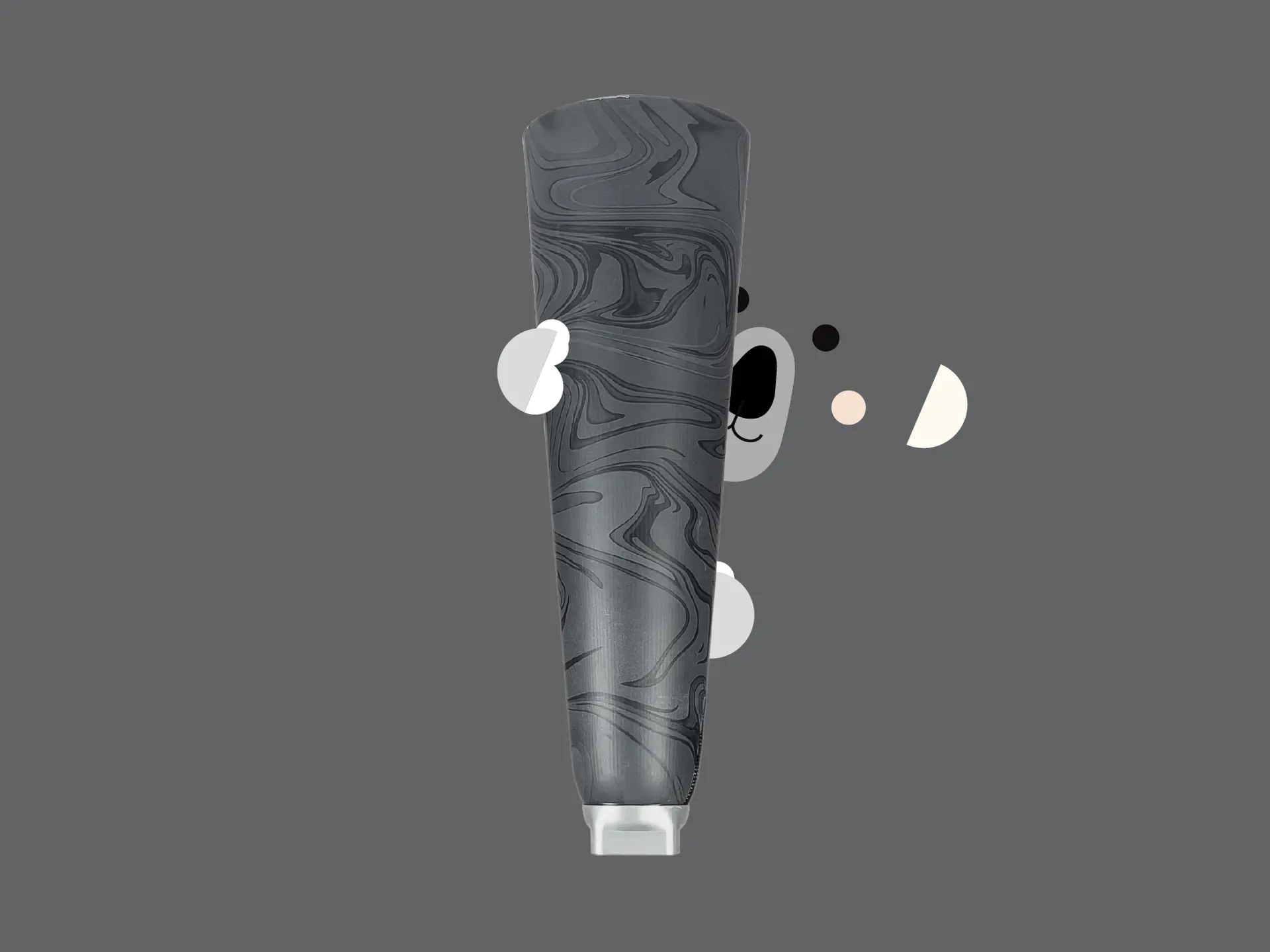
Kind Koala
The Kind Koala may look small, but his courage is big. He holds on, climbs higher, and never gives up.

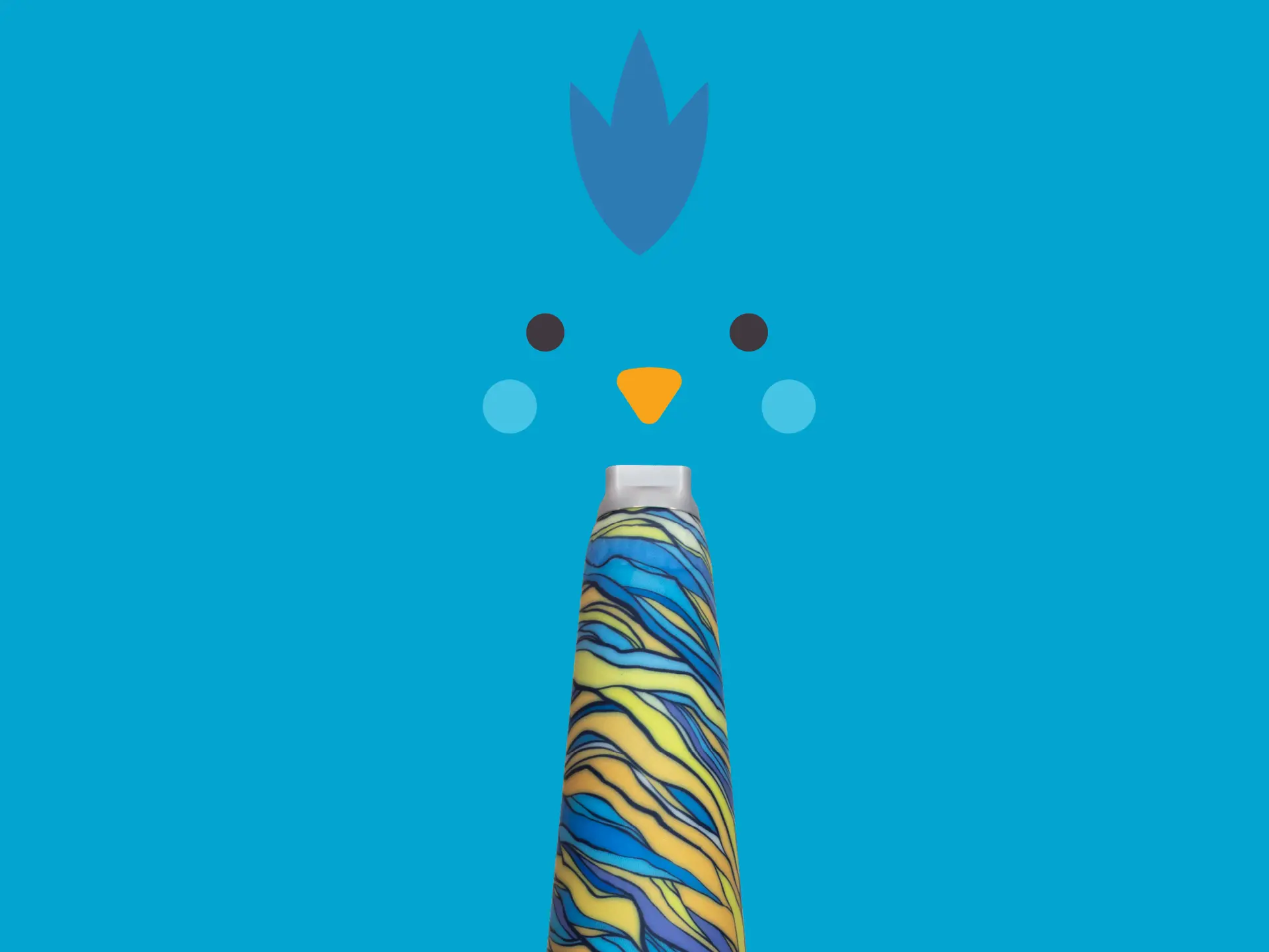
Brave Bird
The Brave Bird spreads his wings with courage. He is braver than he thinks and he is not afraid to try again.
Kind Koala
The Kind Koala may look small, but his courage is big. He holds on, climbs higher, and never gives up.
Brave Bird
The Brave Bird spreads his wings with courage. He is braver than he thinks and he is not afraid to try again.
Advantages

Designed for Your Clinical Workflow
Pediatric Socket is designed to fit into the way clinicians already work, supports direct fitting and broader pediatric prosthetic workflows compatible with standard in-clinic O&P tools

Suspension Flexibility for Changing Needs
Pediatric Socket supports multiple suspension approaches, pin, active vacuum, and passive suction systems, helping clinicians select the best suspension for the child's needs

Kevlar-Reinforced
Pediatric Socket has Kevlar reinforcement at the distal end area, helping provide durability and socket longevity for the most active children

Cleaner Materials for Safer Socket Care
Pediatric Socket is made from bioplastic, supporting a cleaner and safer fitting process for patients, prosthetists, and clinical teams
Support growing users with adaptive Socket care
Help children stay active, keep moving, and progress through care with a pediatric prosthetic socket designed for growth, activity, and change.
Specifications
12-20
Liner Size Compatibility
Transtibial
Amputation Level
Up to 27 cm
Maximum Residual Limb Length
60 kg
Weight Limit
Up to 5x total
Re-moulds
Brave Bird
Kind Koala (Dark Marble)
External Colors
Bioplastic
Material
Black or White
Internal Color
Certifications and Quality
Pediatric Socket is developed within Amparo’s regulated quality and manufacturing framework for prosthetic care. For product-specific regulatory documentation, market availability, and certification requirements in your region, contact the Amparo team.





Growing beyond Pediatric Socket?
As children grow, their prosthetic needs may change before they are ready for the standard Resilience Socket. Resilience Socket Small Size provides the next step within the Amparo System, supporting growing users who need an adaptive rehabilitation socket between paediatric and adult socket pathways.
Downloads
Frequently asked questions
Here are some common questions about Pediatric Socket
Yes. The Pediatric Socket can be used across different mobility grades, provided that the socket is appropriately fitted and the maximum patient weight of 60 kg is respected.
Yes. Local adjustments can be made using a heat gun, following the same principles as for the other Resilience Socket versions. A local adjustment does not constitute a full re-molding of the socket.
Yes. The socket can be re-molded to accommodate changes in the residual limb and improve the fit.
After approximately five re-molds, maintaining the original proximal brim-line geometry can become more difficult because some trimming may be required during each re-molding process.
Yes. The material can be ground and sanded using suitable tools. As with the other Amparo sockets, grinding should be performed carefully and less aggressively than with higher-temperature plastics to prevent excessive heat build-up.
The socket should be kept clean and regularly inspected for signs of damage or excessive wear.
As with any prosthetic socket, particular attention should be paid to the brim lines and other areas subject to higher levels of stress. If cracks, significant deformation, or other damage are noticed, the patient should stop using the socket and have it inspected by a prosthetist.
Yes. The Pediatric Socket is designed to be used with pediatric prosthetic components. The distal anchor is specifically designed for pediatric applications, so any components attached to the distal anchor should also be of an appropriate pediatric size and specification.
The prosthetist should assess the existing components and confirm their compatibility and suitability for the patient.