A System That Fits to Your Workflow
The Amparo System brings together prosthetic sockets, shape capture tools, clinic equipment, mobile fitting kits, and outcomes insight into one modular fitting platform designed for O&P clinics, rehabilitation centres and caregivers that need flexible prosthetic fitting pathways.
The goal is simple: help clinicians create a reliable prosthetic socket fitting pathway, while keeping clinical judgement, workflow choice, and patient needs at the centre.
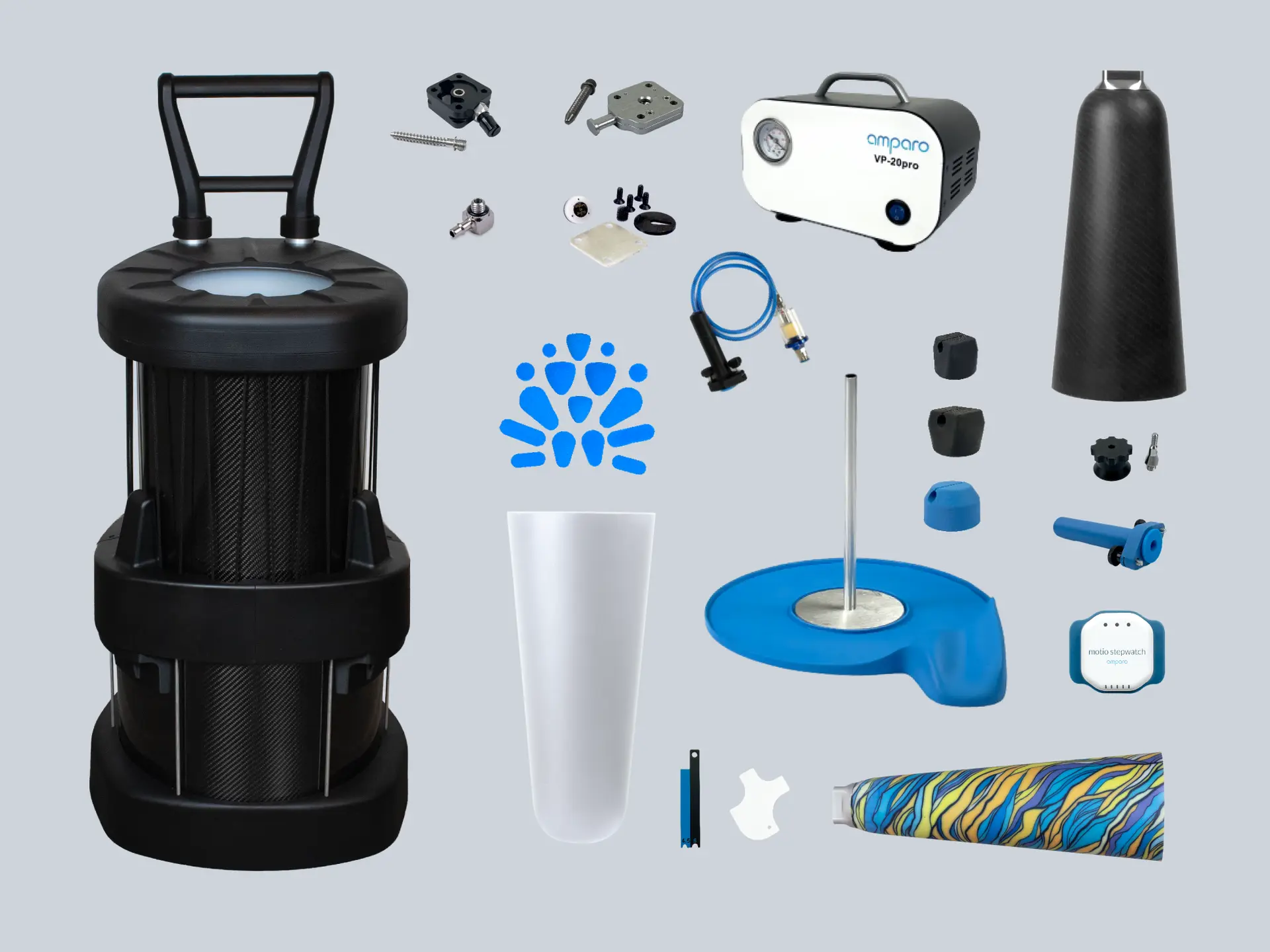
One System. Multiple Ways to Work
Every clinical team works differently. Some work in fully equipped O&P clinics, while others provide care through mobile or outreach setups. Clinicians also use different fitting methods, from direct-fit and casting to Majicast, plaster, and digital workflows.
Amparo System is built around three core areas:

In-Clinic
For established O&P clinics and rehabilitation centres using standard clinical and workshop tools

Mobile
For mobile fitting, outreach, training, satellite clinics, and lower-footprint care environments

Workflows
For clinics that want Amparo sockets to fit into their preferred fitting method without compromise
In-Clinic
For established O&P clinics and rehabilitation centres using standard clinical and workshop tools
Mobile
For mobile fitting, outreach, training, satellite clinics, and lower-footprint care environments
Workflows
For clinics that want Amparo sockets to fit into their preferred fitting method without compromise
In-Clinic Prosthetic Fitting
Clinicians can use Amparo sockets with standard in-clinic O&P tools, making it easier to integrate Amparo into an existing clinic without rebuilding the entire workflow.
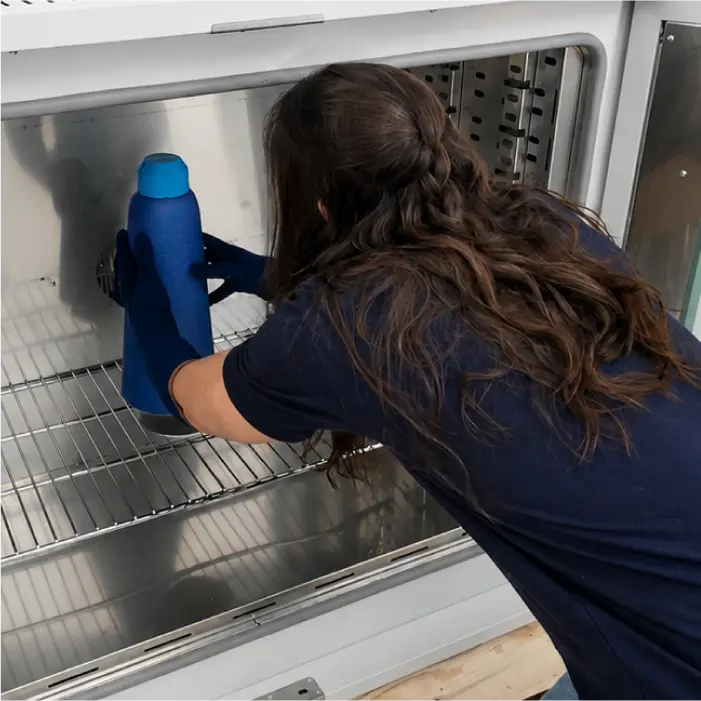
Use Familiar Clinic Tools
Work with standard O&P tools and workshop processes, such as in-clinic convection ovens and routers
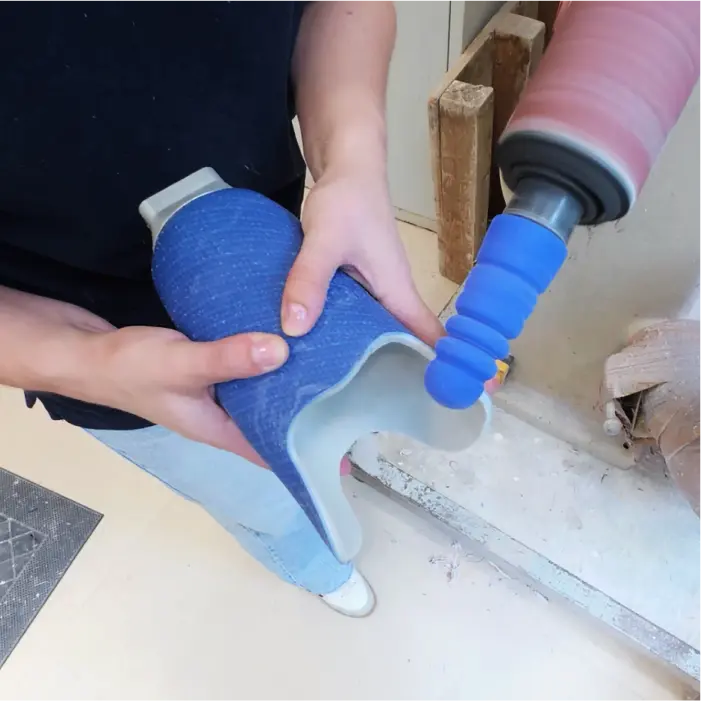
Fit and Refine In-House
Shape, trim, heat, remould, and adjust sockets directly in the clinic
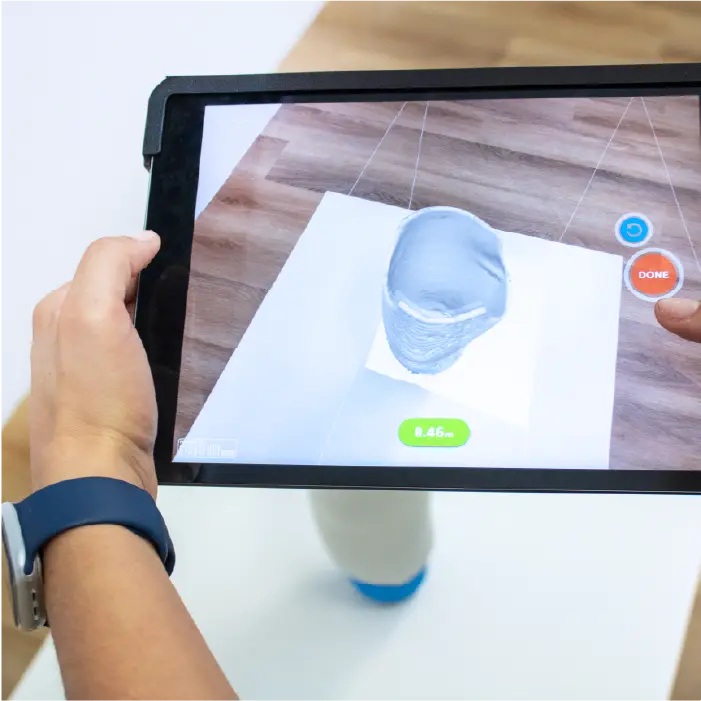
Support Multiple Socket Pathways
Use Amparo sockets across plaster, CAD/CAM, Direct-fit and weight-bearing workflows
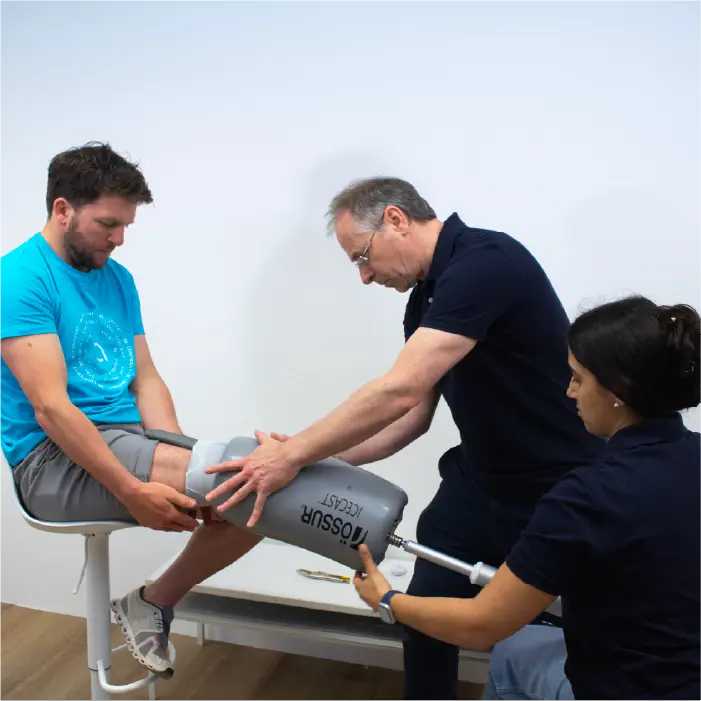
Designed for Clinical Adoption
Integrate Amparo into existing clinic routines with training, tools, and implementation support
Mobile Prosthetic Fitting
The Amparo System can also support care beyond the traditional clinic.
With mobile tools and fitting equipment, clinicians can bring socket fitting closer to patients in outreach settings, satellite clinics, training environments, and lower-infrastructure locations. The mobile setup is designed to support practical prosthetic care with a smaller footprint, helping teams fit, adjust, and refine sockets where access to full workshop infrastructure may be limited.
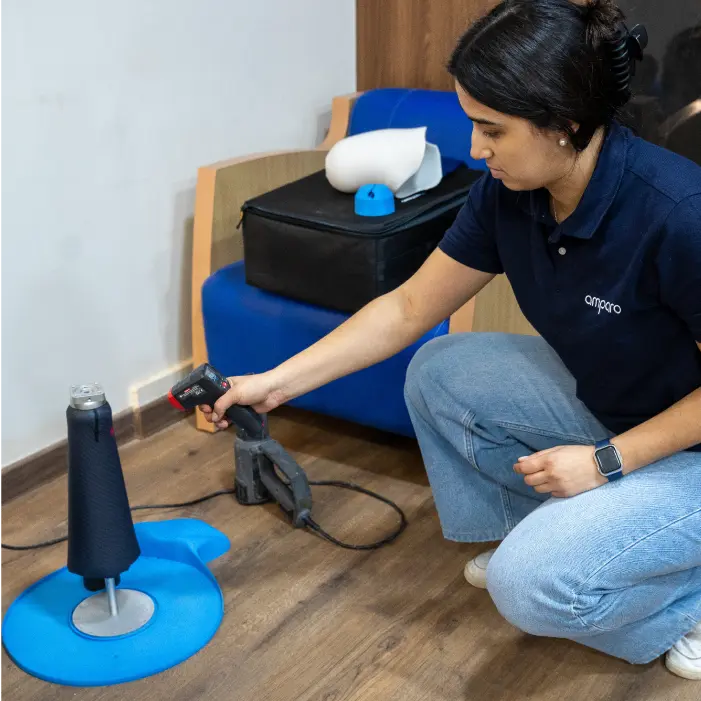
Mobile Oven and Fitting Tools
Support socket heating and fitting outside a full workshop environment
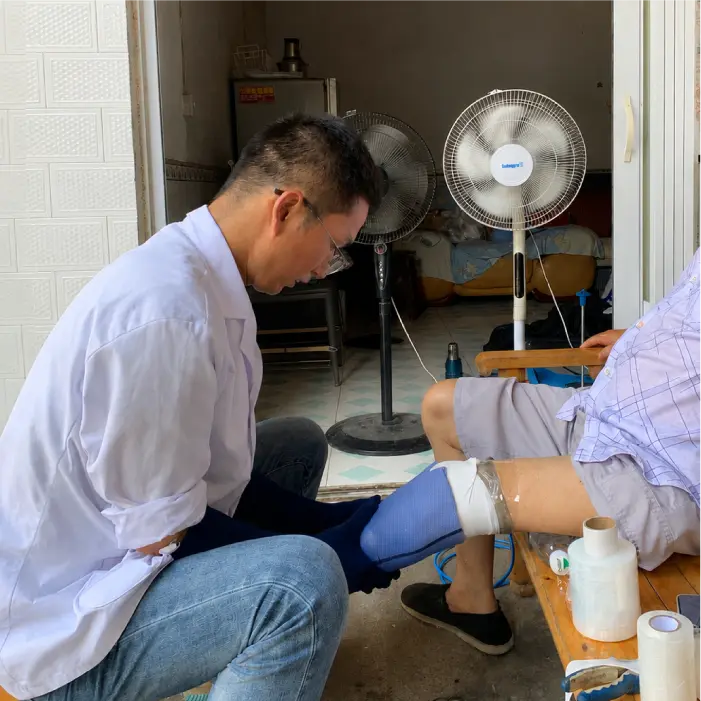
Portable Equipment
Use mobile tools such as vacuum pumps, tool bags, workshop bags, stretch wrap, and fitting accessories
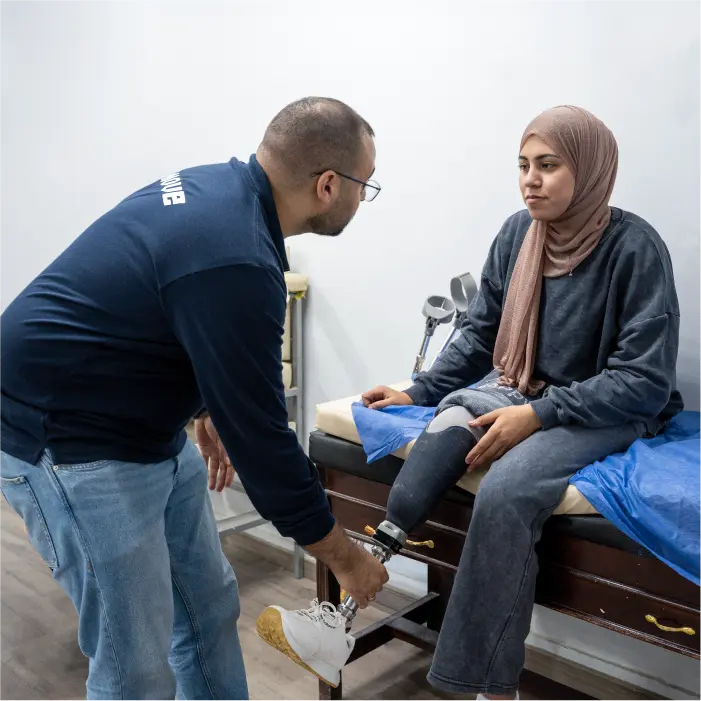
First step in 1 hour
Allow amputees to have their prosthetic device in 1 hour
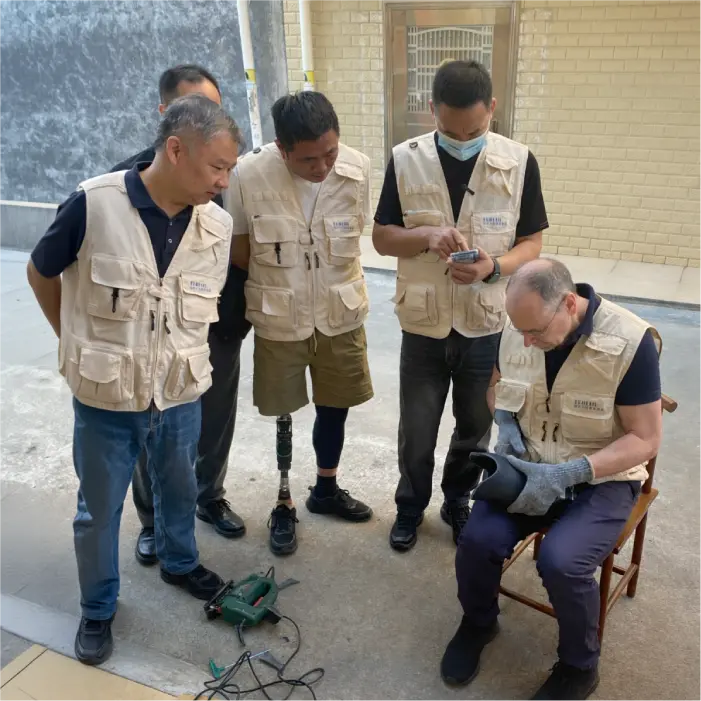
Lower Infrastructure Requirements
Reduce reliance on complex lab infrastructure while keeping the fitting pathway clinically structured
Workflows That Fit Your Clinic
Amparo does not require every clinic to follow the same fitting method. The system is designed to support different prosthetic socket workflows, giving clinicians the freedom to choose the right pathway for each patient, clinic, and stage of care.
Use Amparo sockets with direct-fit methods, hydrostatic weight-bearing shape capture, check socket validation, casting liners, plaster workflows, digital documentation, and standard in-clinic tools.
Product Catalogue
One System. Multiple Workflows. Built Around Clinical Choice
The Amparo System is designed to help clinicians work from the method that fits their practice.
Start in clinic. Go mobile when needed. Add Majicast for hydrostatic weight-bearing shape capture. Use Trust Socket for shape capture and fit validation. Use Resilience Socket for adaptive rehabilitation care. Support growing users with Pediatric Socket. Add Motio StepWatch when you need real-world mobility insight.
Your workflow stays at the centre. Amparo helps support the fitting pathway around it.
Find the right Amparo Workflow for your clinic
Every clinic has its own process, tools, patients, and fitting goals.
Talk to the Amparo team to understand which sockets, tools, workflows, and training options best fit your clinical setting.