Start Early. Adapt as You Go. Keep it
Resilience Socket is Amparo’s advanced adaptive socket for this stage of care. It helps clinicians support early rehabilitation with a remouldable prosthetic socket that can be refined over time, adjusted locally, and integrated into existing clinic workflows. Exceptional for interim care and remarkable for definitive use, it can continue supporting the patient beyond rehab
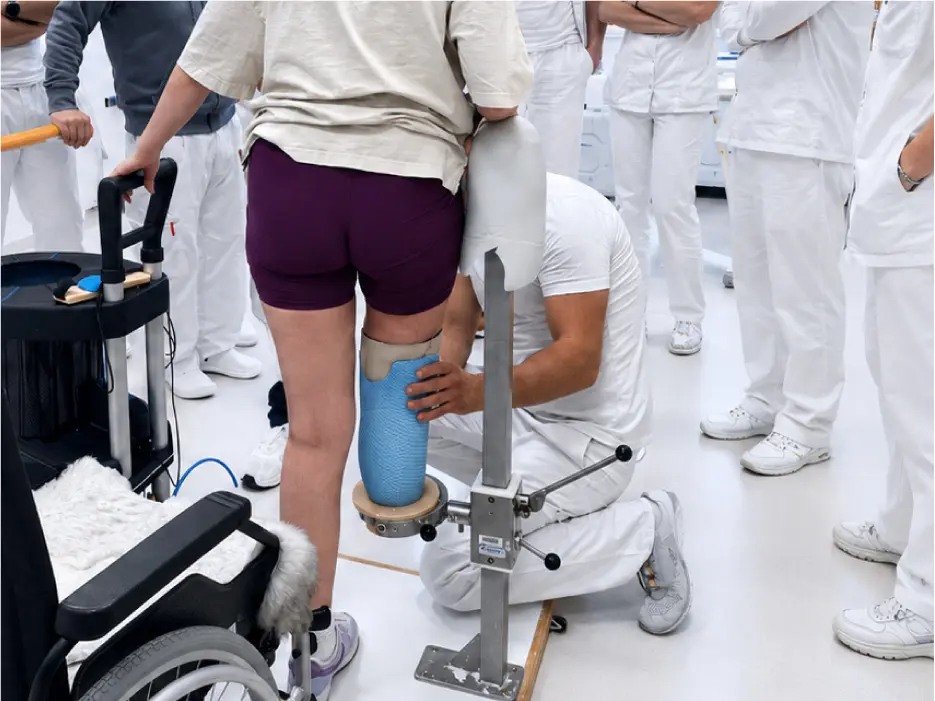
Built for primary patients and early rehabilitation
The residual limb volume can reduce quickly, pressure areas may change, and patients often need repeated fit adjustments before moving toward a longer-term prosthetic solution.
Resilience Socket gives clinical teams a more adaptable socket pathway, instead of restarting the process with every change, clinicians can quickly adjust, remould, and refine the socket as the patient progresses.
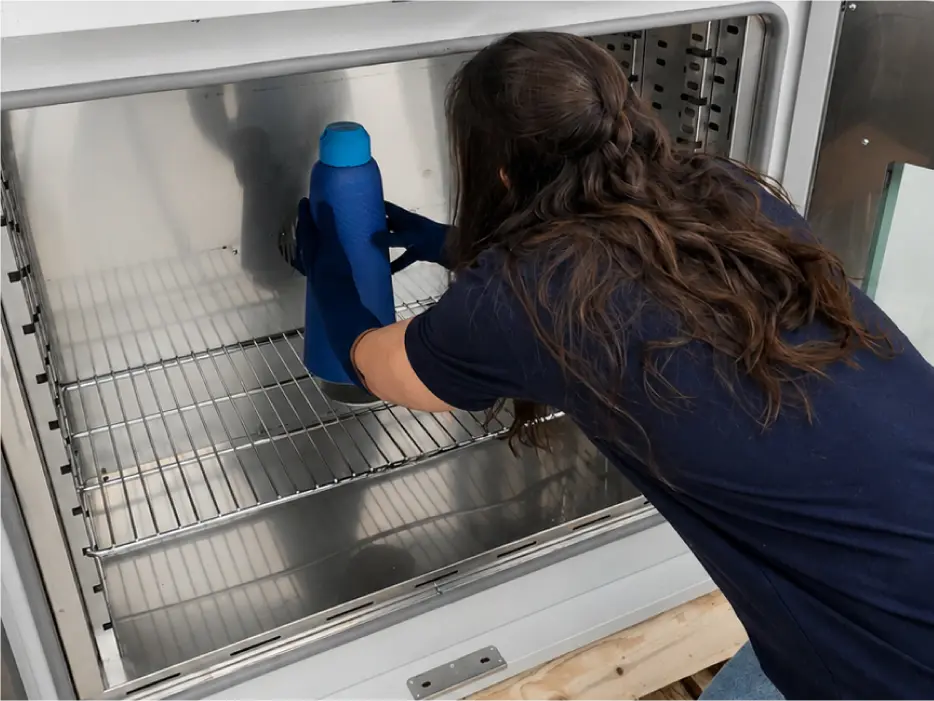
Designed for your clinical workflow
Resilience Socket is designed to support direct-fit workflows or more traditional fitting methodologies, fully compatible with standard in-clinic tools.
It can be used with established fitting methodologies such as Össur Icecast®, Casting Liners, Majicast and Digital Workflows.
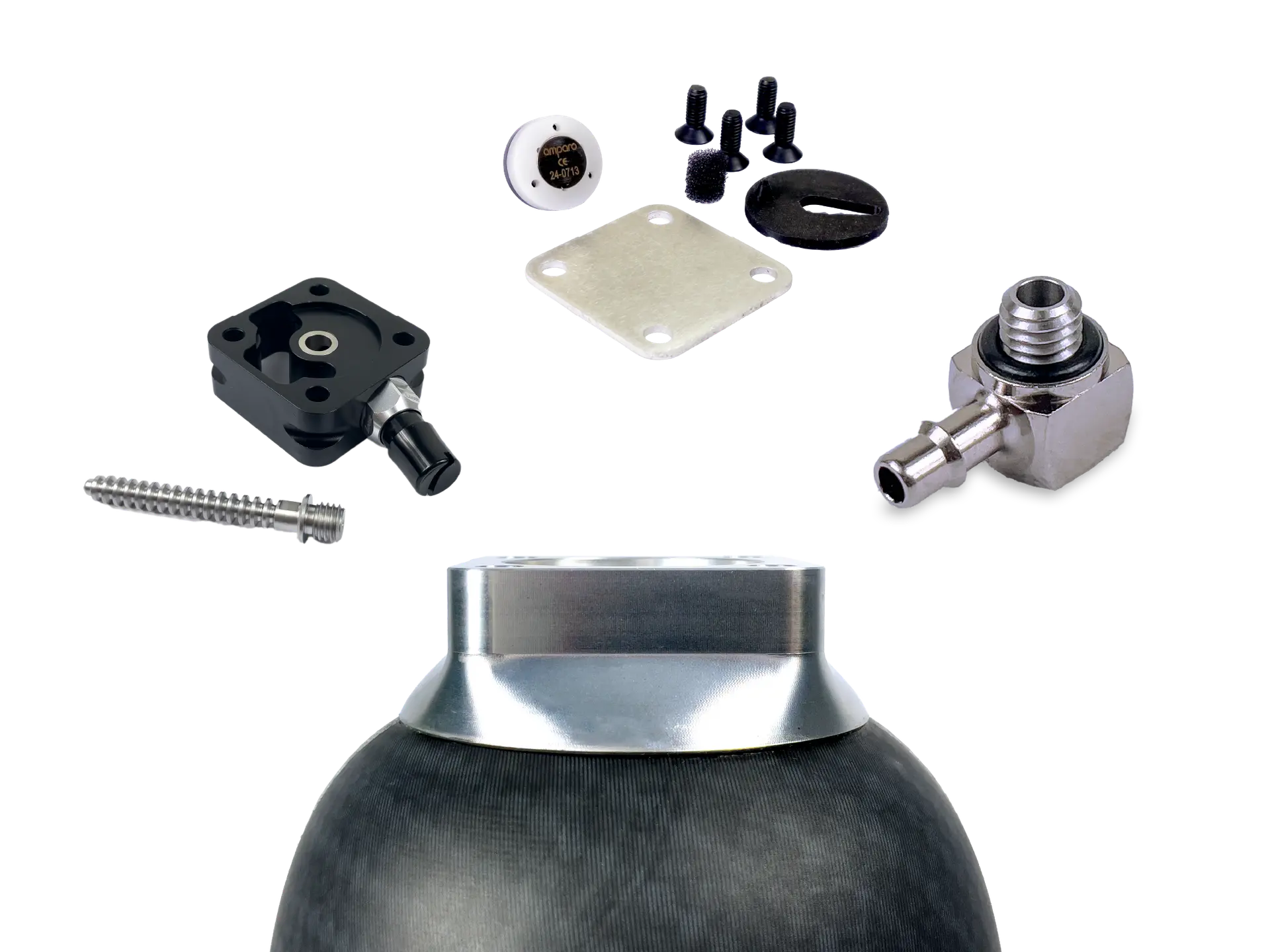
Suspension flexibility as needs change
Resilience Socket mounted distal plate supports multiple suspension methods, including pin lock, passive vacuum, and active vacuum. This allows clinical teams to trial, change, and refine suspension strategies as the patient’s limb condition, activity level, and rehabilitation goals evolve without replacing the socket.
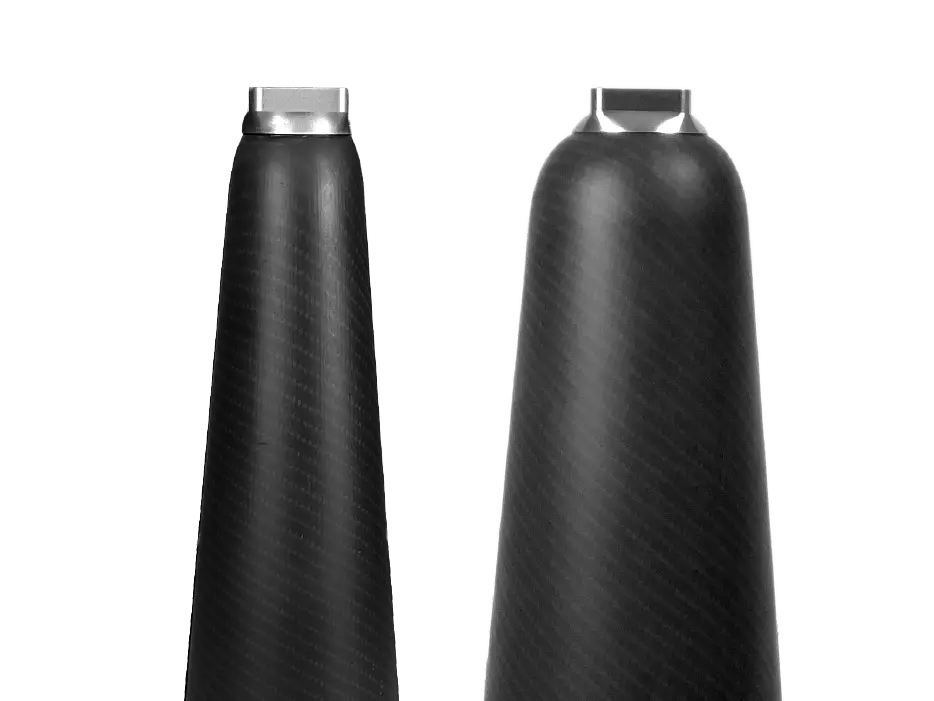
Available in different sizes
Available in Small and Medium sizes, designed to accommodate different residual limb sizes and patient needs.
Designs

Light Blue

Dark Blue Carbon

Camouflage

Black Carbon
Light Blue
Dark Blue Carbon
Camouflage
Black Carbon
Advantages

Remouldable Socket
Fit changes are expected during early rehabilitation. Resilience Socket socket can be fully remoulded up to five times and adjusted locally by heating specific pressure areas

Lightweight Mobility
Its lightweight construction supports daily mobility while giving clinicians the flexibility to refine the fit as rehabilitation progresses

Eco-friendly
Resilience Socket is made from bioplastic, supporting a cleaner and safer fitting process for patients, prosthetists, and clinical teams

Kevlar-Reinforced
Resilience Socket has Kevlar reinforcement at the distal end area, helping provide durability where support matters most
See how Resilience Socket fits your rehab pathway
Support primary patients with an adaptive prosthetic socket designed for early rehabilitation, volume change, and ongoing fit refinement.
Specifications
Resilience Small 16-23
Resilience Medium 20-38
Liner Size Compatibility
Transtibial
Amputation Level
Up to 27 cm
Maximum Residual Limb Length
Resilience Small - 80kg
Resilience Medium - 125kg
Weight Limit
Up to 5x total
Re-moulds
Black Carbon / Dark Blue Carbon
Light Blue / Camouflage
External Colors
Bioplastic
Material
Black or White
Internal Color
Certifications and Quality
Resilience Socket is developed within Amparo’s regulated quality and manufacturing framework for prosthetic care. For product-specific regulatory documentation, market availability, and certification requirements in your region, contact the Amparo team.





What Users and Clinicians Say

Renato Oliveira
Below knee amputee, PortugalLoved it! Being able to walk into the O&P clinic and walk out with a new prosthesis in under an hour is truly incredible. It’s not just about how fast the process is, it’s about the quality. The socket fit was excellent, it felt comfortable right away, and I could walk the same day. I was able to return to my daily life and usual activities feeling safe, confident, and comfortable.

Shariff Abdullah (Blade Runner)
Below knee amputee, SingaporeI’ve been wearing prosthetic legs since 1975. Sometimes, I have to wait months just to get an appointment to change my socket. But today, I had an amazing experience. It took about two hours to make my new socket, and when I put it on, I didn’t feel any pain. I can walk comfortably, and it feels great. It was really amazing.

Certified Prosthetist and Orthotist
CPO, South AfricaBeing able to mold, remold, and adjust the socket in real time gave me a deeper appreciation for how adaptable and patient-centered this technology is. I found it incredibly rewarding to see how quickly we could respond to fit issues and make immediate changes to improve comfort and alignment. It also reinforced the importance of clinical efficiency and innovation in prosthetic care — especially in settings where time, resources, or patient access are limited.

Resilience Socket User
Below-knee amputee, BelgiumI’m happy because on my first socket I just walked 15 days. It was difficult to adjust and had to stop walking for 3 months. Today I came to the O&P Clinic and it was great to be able to walk on the same day with a good socket fit. I feel very comfortable.
Renato Oliveira
Below knee amputee, PortugalLoved it! Being able to walk into the O&P clinic and walk out with a new prosthesis in under an hour is truly incredible. It’s not just about how fast the process is, it’s about the quality. The socket fit was excellent, it felt comfortable right away, and I could walk the same day. I was able to return to my daily life and usual activities feeling safe, confident, and comfortable.
Shariff Abdullah (Blade Runner)
Below knee amputee, SingaporeI’ve been wearing prosthetic legs since 1975. Sometimes, I have to wait months just to get an appointment to change my socket. But today, I had an amazing experience. It took about two hours to make my new socket, and when I put it on, I didn’t feel any pain. I can walk comfortably, and it feels great. It was really amazing.
Certified Prosthetist and Orthotist
CPO, South AfricaBeing able to mold, remold, and adjust the socket in real time gave me a deeper appreciation for how adaptable and patient-centered this technology is. I found it incredibly rewarding to see how quickly we could respond to fit issues and make immediate changes to improve comfort and alignment. It also reinforced the importance of clinical efficiency and innovation in prosthetic care — especially in settings where time, resources, or patient access are limited.
Resilience Socket User
Below-knee amputee, BelgiumI’m happy because on my first socket I just walked 15 days. It was difficult to adjust and had to stop walking for 3 months. Today I came to the O&P Clinic and it was great to be able to walk on the same day with a good socket fit. I feel very comfortable.
Looking for a faster Shape-Capture Socket?
When the goal is early fit validation, diagnostic fitting, or a faster way to capture residual limb shape, the Trust Socket offers a practical next step within the Amparo System.
Downloads
Frequently asked questions
Here are some common questions about Resilience Socket
The Amparo Socket process is built entirely around the patient, with both fitting and manufacturing carried out directly on the patient’s residual limb. A fitting session may seem busy, with several impressions and adjustments taking place in a short period of time. However, unlike the traditional socket manufacturing process, the Amparo approach allows the patient to leave the clinic with their final prosthesis in less than one hour.
For most patients, adapting to an Amparo Socket is generally quick. Its bioplastic material allows for a small amount of controlled movement during everyday activities, while the Kevlar reinforcement provides the necessary strength, support, and structural stability.
Compared with a traditional rigid laminated socket, this flexibility can make the socket feel less restrictive and allow it to adapt more naturally to the patient’s movements. This can contribute to greater comfort and a more positive overall perception of the prosthesis throughout the day.
Yes. The Resilience Socket can be used across different mobility grades, provided that the socket is appropriately fitted and the relevant weight and activity limits are respected.
The maximum patient weight is 125 kg for the Resilience Medium and 80 kg for the Resilience Small.
Yes. However, as the socket is fitted directly on the residual limb, the liner used during the fitting process must be long enough to provide adequate skin protection.
If the patient uses a liner with an integrated ring we recommend using another liner of the same size, with a similar thickness and profile, but without a ring, to avoid leaving marks inside the socket. If a different liner is used for fitting, the differences in size, thickness, and profile should be considered when determining the final socket fit.
Yes. The Resilience Socket is designed to work with commonly used prosthetic components. However, the prosthetist should assess the existing components and confirm that they are compatible with the socket and appropriate for the patient's individual needs.
The Resilience Socket can be adjusted and, when appropriate, completely re-molded to improve the fit. Local adjustments can also be made to address specific areas of pressure or insufficient clearance. A local adjustment does not constitute a full re-molding of the socket.
No. The socket itself does not become progressively thinner during re-molding. However, some of the proximal brim line may need to be trimmed away during each re-molding to achieve the correct fit.
After approximately five re-molds, it becomes more difficult to maintain an optimal brim-line fit. This does not necessarily mean that the socket can no longer be used for high activity levels.
Yes. We recommend using a rasp-head drum for the main material removal and a silicone sanding drum for polishing.
The Resilience Socket is designed for everyday use in a wide range of environments.
Patients should avoid leaving the socket in direct sunlight or in environments that can become extremely hot, such as a car on a sunny day, a sauna, or near a fireplace or radiator.
The socket should be kept clean and regularly inspected for signs of damage or excessive wear.
Like any other prosthetic socket, particular attention should be paid to the brim lines and other areas subject to higher levels of stress. If cracks, significant deformation, or other damage are noticed, the patient should stop using the socket and have it inspected by a prosthetist.
While there are currently no specific standards or requirements for socket durability testing, Amparo Sockets have undergone extensive mechanical load testing based on the relevant principles of ISO 10328 for prosthetic devices. Based on these test results, Amparo Sockets are expected to provide reliable long-term durability under repeated loading conditions.
Amparo Sockets are also ISO 13485 certified, CE, SFDA and FDA cleared.